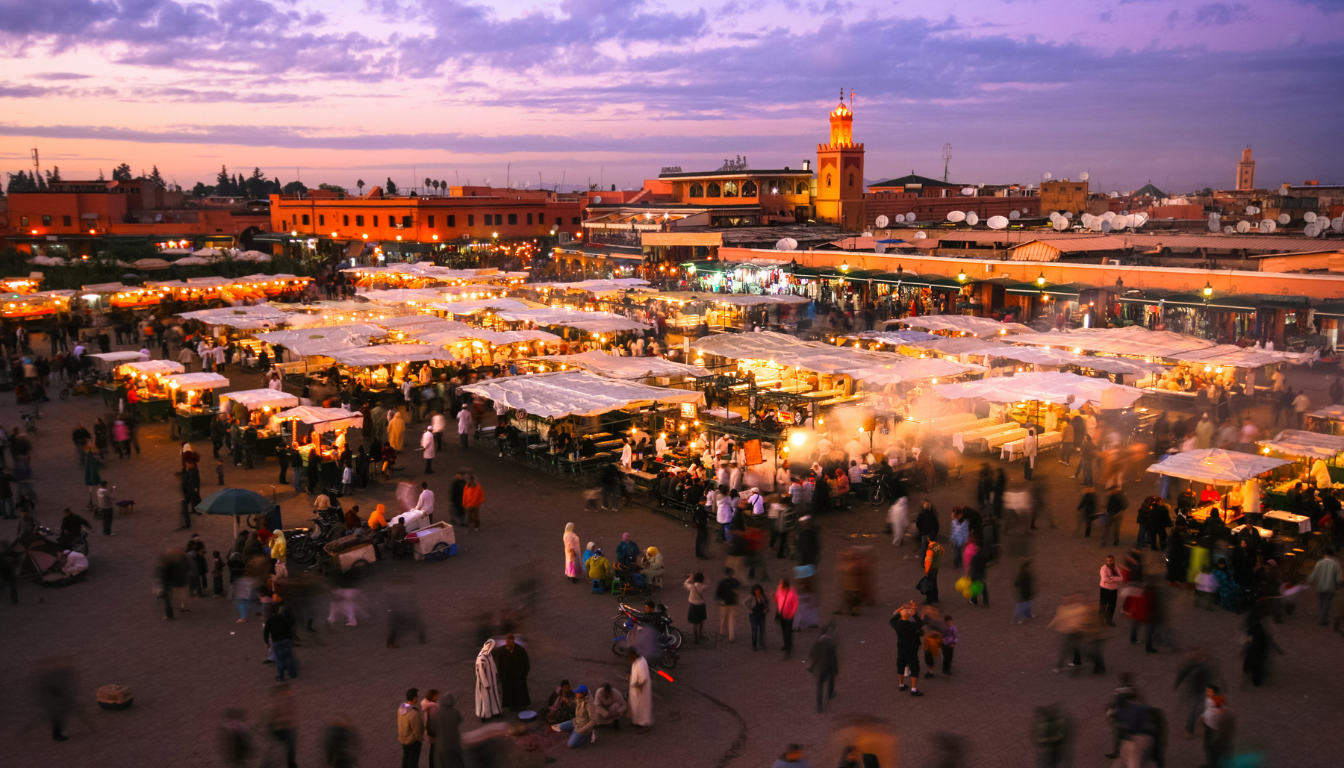
Marrakech weather plays a huge role in how much you enjoy your trip — and whether your Sahara desert adventure will be comfortable or miserable. Unlike European cities where the weather is unpredictable, Marrakech follows a very clear seasonal pattern. Once you understand it, you can pick the perfect month for your visit, pack the right clothes, and plan the ideal desert tour timing.
Having helped thousands of travelers plan their Sahara trips, we’ve seen the difference that timing makes. A 3-day desert tour in October feels completely different from the same tour in July. This guide breaks down the Marrakech weather month by month with real temperature data, so you can make the best decision for your trip.
Table of Contents
Marrakech Climate Overview
Marrakech sits at the foot of the Atlas Mountains in central Morocco, about 230 kilometers from the Sahara Desert. It has a semi-arid Mediterranean climate — meaning hot dry summers, mild winters, and very little rainfall throughout the year. The city averages over 300 days of sunshine annually, making it one of the sunniest destinations in North Africa.
What surprises most visitors about Marrakech weather is the dramatic difference between day and night temperatures. In winter, you might wear a t-shirt at noon and need a jacket by 7pm. In summer, daytime heat above 40°C drops to a pleasant 20°C after sunset. This day-night contrast becomes even more extreme in the Sahara Desert, where nighttime temperatures can drop 25-30°C below the daytime high.
Annual rainfall is only about 240mm (compared to London’s 600mm), and almost all of it falls between November and March. Summer months from June to September are essentially rain-free.
Month-by-Month Weather Breakdown
Here’s a complete breakdown of Marrakech weather for every month, with average high temperatures, low temperatures, rainfall, sunshine hours, and our recommendation for desert tours:
| Month | High °C | Low °C | Rain (mm) | Sun (hrs) | Crowd | Desert Tour? |
|---|---|---|---|---|---|---|
| January | 18° | 6° | 32 | 7 | Low | ✅ Good |
| February | 20° | 8° | 38 | 8 | Low | ✅ Good |
| March | 23° | 10° | 33 | 8 | Medium | ⭐ Great |
| April | 26° | 12° | 28 | 9 | Medium | ⭐ Great |
| May | 30° | 15° | 7 | 10 | Medium | ⚠️ Warm |
| June | 34° | 18° | 4 | 11 | Low | ❌ Too Hot |
| July | 38° | 21° | 1 | 11 | Low | ❌ Avoid |
| August | 38° | 21° | 3 | 10 | Medium | ❌ Avoid |
| September | 33° | 19° | 6 | 9 | Medium | ⚠️ Still Warm |
| October | 28° | 15° | 24 | 8 | High | 🏆 Best |
| November | 23° | 10° | 40 | 8 | Medium | 🏆 Best |
| December | 19° | 7° | 31 | 7 | High | ✅ Good |
January & February — Cool & Quiet
When it comes to Marrakech weather in January and February, these are the coolest months with daytime temperatures around 18-20°C. Mornings and evenings can be genuinely cold (6-8°C), and many riads and hotels don’t have central heating — bring warm layers. However, the medina is wonderfully uncrowded, prices are at their lowest, and the light is beautiful for photography. Occasional rain showers are possible but rarely last more than a few hours.
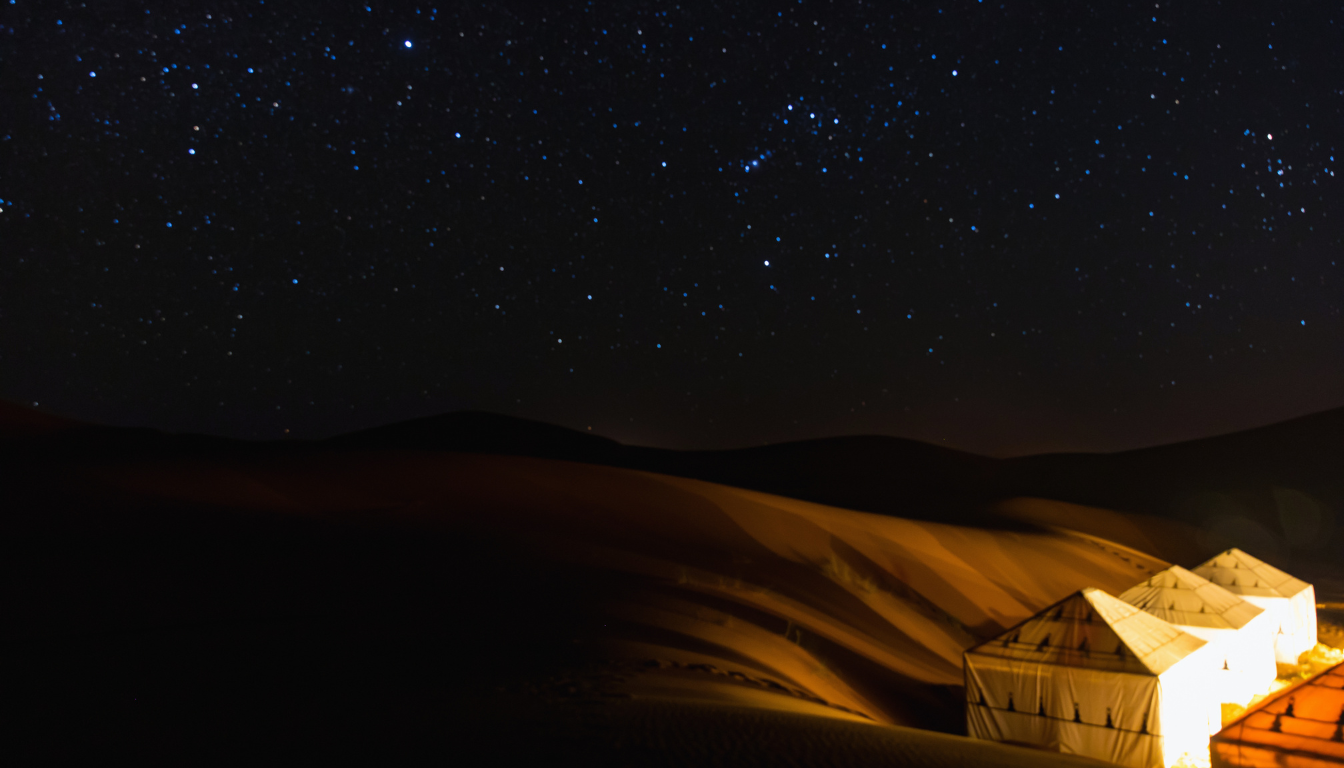
For desert tours, winter is comfortable during the day (20-25°C in the Sahara) but cold at night — temperatures in the desert can drop below freezing. If you’re camping, choose a luxury camp with heating. It’s absolutely worth it in winter.
March & April — The Sweet Spot
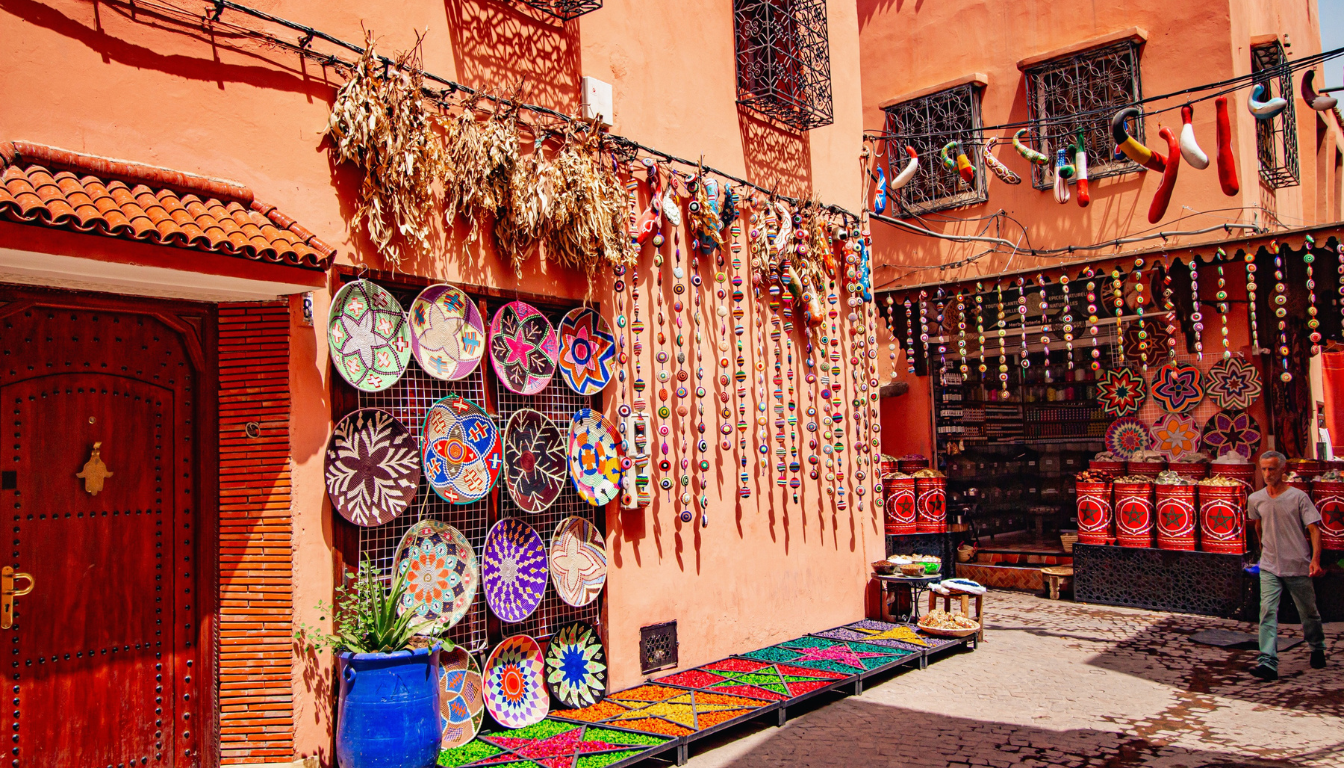
March and April offer the best Marrakech weather of the year. Daytime temperatures are perfect at 23-26°C, the gardens are in bloom (especially the Jardin Majorelle), and the Atlas Mountains still have snow on their peaks creating stunning photo opportunities. It’s warm enough for outdoor dining and exploring the souks without overheating.
For Sahara tours, March-April is ideal. Desert temperatures are warm but manageable (28-33°C during the day, 10-15°C at night). Sandstorms are rare. This is when most experienced travelers visit, so book tours 40-60 days in advance.
May — Transition Month
The Marrakech weather in May is transitional — temperatures start climbing above 30°C. The first half of May still feels pleasant, but by late May, the heat becomes noticeable. It’s a good value month — prices haven’t peaked and crowds are moderate. However, a 3-day desert tour in late May will involve some serious heat (35-40°C in the Sahara during midday).
June, July & August — Extreme Heat
The Marrakech weather in summer is intense. July and August average 38°C, but temperatures regularly hit 42-45°C. The Jemaa el-Fnaa square, usually buzzing with life, becomes eerily quiet during the afternoon hours as everyone retreats indoors. Air conditioning is essential — not all budget accommodations have it.
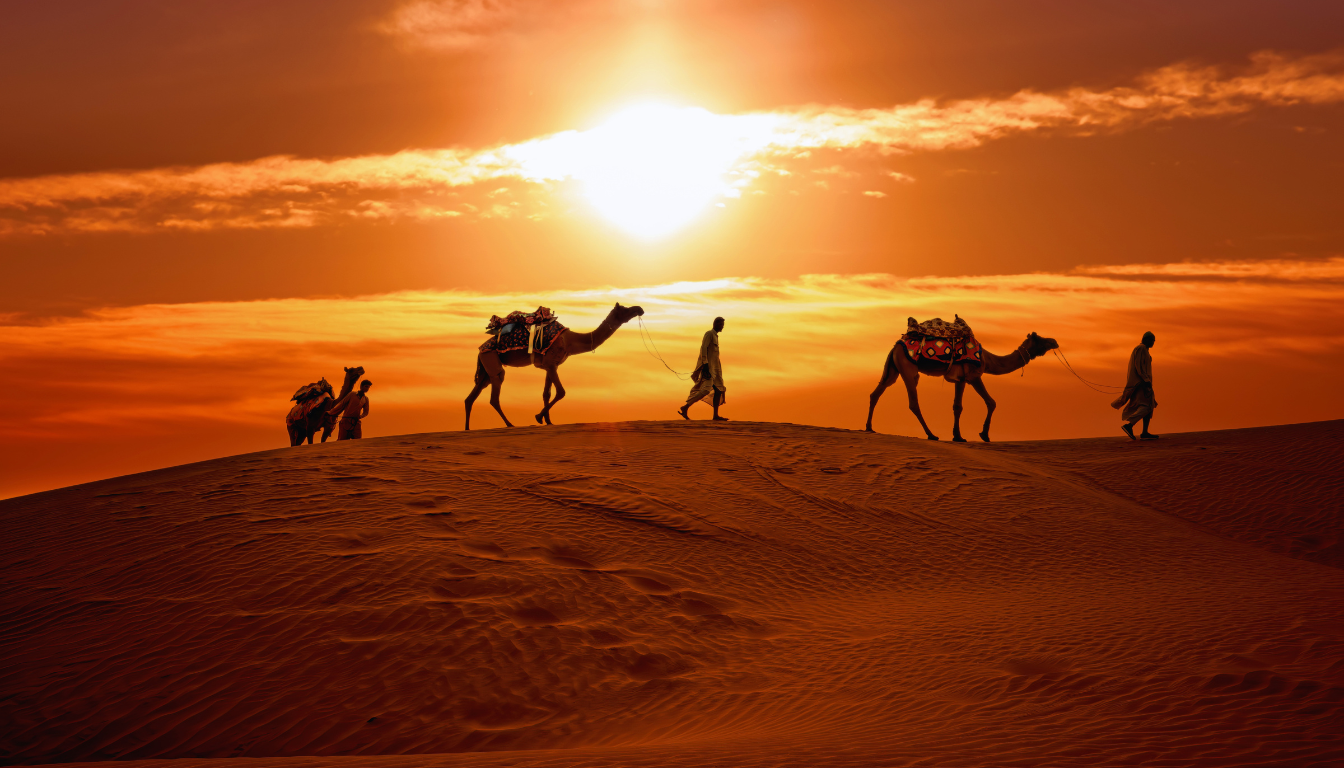
We strongly recommend against Sahara desert tours in summer. The Sahara reaches 50°C+ in July and August. Even experienced guides limit their time in the dunes. If you absolutely must visit in summer, stick to early morning activities, take a sunrise-only camel ride, and ensure your camp has proper cooling.
September — Still Warm
The Marrakech weather in September is similar to May but in reverse — the first half is still very hot, while late September starts cooling down. Temperatures hover around 33°C. It’s not the best month for desert tours, but it’s not the worst either. If you’re budget-conscious, September offers good deals as it’s considered low season.
October & November — The Golden Months
October and November deliver the best Marrakech weather for visiting the city and doing a Sahara desert tour. October averages 28°C in Marrakech and 30-35°C in the desert — warm enough for a magical experience but not dangerously hot. November is even better with comfortable 23°C days and pleasant 15-20°C desert evenings.
The light during these months is extraordinary — golden hour seems to last forever, which is why photographers love this period. The downside is that October-November is peak season, so prices are higher and tours sell out faster. Book well in advance.
December — Festive & Cool
The Marrakech weather in December brings cool temperatures (19°C highs, 7°C lows) and a festive atmosphere. Many European travelers visit over Christmas and New Year, making it the second busiest month after October. The Marrakech weather in December is similar to a mild European autumn — perfect for walking the medina all day without overheating. Desert nights are cold (5-8°C) but the stargazing is at its absolute best due to clear, dry skies.
Best Time for Sahara Desert Tours
Based on our experience helping travelers book thousands of desert tours, here’s our definitive ranking:
| Rank | Months | Why | Desert Temp |
|---|---|---|---|
| 🏆 #1 | October–November | Perfect temperatures, golden light, ideal camping | 28-35°C day / 12-18°C night |
| ⭐ #2 | March–April | Warm days, cool nights, flowers blooming | 25-33°C day / 10-15°C night |
| ✅ #3 | December–February | Quiet, cheap, great stargazing (cold nights) | 20-25°C day / 0-8°C night |
| ❌ #4 | June–September | Too hot, uncomfortable, potentially dangerous | 40-52°C day / 20-28°C night |
The two peak windows — October-November and March-April — account for over 60% of all desert tour bookings. During these months, the most popular tours (like the Marrakech to Fes 3-day desert tour) sell out weeks in advance.
When NOT to Visit
Avoid Marrakech and the Sahara Desert from mid-June through mid-September unless you have a very high tolerance for extreme heat. Here’s what summer actually looks like:
The Jemaa el-Fnaa square becomes a ghost town between 1pm and 5pm. Restaurant terraces close their rooftops. The drive from Marrakech to the Sahara (crossing the Atlas Mountains) takes 10-12 hours in a vehicle that can reach 45°C inside despite air conditioning. Camel rides are limited to 30 minutes maximum. Sand temperatures reach 70°C — hot enough to burn bare feet. Desert camps with shared bathrooms become unpleasant.
If you must visit in summer, stay in Marrakech city where air conditioning is available, visit the coast (Essaouira is 20°C cooler), and skip the multi-day desert tour. A day trip to the Agafay Desert (45 minutes from Marrakech) is a reasonable alternative.
What to Pack for Each Season
| Season | Marrakech City | Sahara Desert | Must-Have Item |
|---|---|---|---|
| Winter (Dec-Feb) | Warm jacket, layers, scarf | Thermal base layer, fleece, warm sleeping bag | Warm fleece jacket |
| Spring (Mar-May) | Light layers, rain jacket for March | Light clothes + warm layer for evening | Sunscreen SPF 50+ |
| Summer (Jun-Sep) | Ultra-light cotton, hat, UV shirt | Same + 3L water, electrolytes | Reusable water bottle |
| Autumn (Oct-Nov) | Light clothes, light jacket for evening | T-shirt for day, warm layer for night | Camera (golden light!) |
No matter what season you visit, always bring: comfortable walking shoes (Marrakech’s medina has uneven cobblestones), a desert scarf (for sand and sun protection), a power bank (charging is scarce in the desert), and cash in Moroccan Dirhams (ATMs disappear after you leave major cities).
For the complete packing list, see our detailed Sahara Desert Travel Guide.
Marrakech vs Sahara Desert: Temperature Difference
One of the biggest mistakes travelers make when checking the Marrakech weather forecast is assuming the Sahara Desert will be the same. It’s not — and the difference can be dramatic. The Sahara is typically 5-8°C hotter during the day and 8-12°C colder at night than Marrakech. This means the temperature swing in a single day in the desert can exceed 30°C.
| Location | Oct Day | Oct Night | Jan Day | Jan Night | Jul Day |
|---|---|---|---|---|---|
| Marrakech City | 28°C | 15°C | 18°C | 6°C | 38°C |
| Erg Chebbi (Merzouga) | 33°C | 12°C | 22°C | 2°C | 47°C |
| Zagora | 35°C | 14°C | 20°C | 4°C | 45°C |
| Atlas Mountains (pass) | 18°C | 5°C | 5°C | -5°C | 30°C |
This is important because a typical 3-day Marrakech to Merzouga desert tour crosses the Atlas Mountains (altitude 2,260m at Tizi n’Tichka pass), descends through Ouarzazate, and reaches the Sahara. In a single day, you can experience temperatures ranging from 5°C in the mountain pass to 35°C in the desert. Layered clothing is essential.
Festivals & Events by Season
Timing your visit with local festivals adds a unique cultural dimension to your trip. Here are the major events that coincide with the best Marrakech weather periods:
March: The Almond Blossom Festival in the Ameln Valley near Tafraoute transforms the countryside into a sea of pink and white. It’s a beautiful add-on to a desert tour.
May-June: The Rose Festival in the Dades Valley (along the desert tour route) celebrates the annual rose harvest. Villages are decorated with roses and you can buy rosewater, rose oil, and rose-scented products directly from producers.
June: The Gnaoua World Music Festival in Essaouira (3 hours from Marrakech) is one of Africa’s biggest music festivals. If you’re visiting in early June, combine it with a coastal escape from the heat.
November: The Marrakech International Film Festival brings celebrities, screenings, and cultural events to the city. It coincides perfectly with the best desert tour weather.
Ramadan (varies yearly): During Ramadan, restaurants may close during the day and tour availability can change. However, experiencing iftar (the evening meal breaking the fast) with a Berber family in the desert is an unforgettable cultural experience. Check the dates for the year of your visit.
Budget Tips: Cheap vs Expensive Months
Marrakech weather directly affects prices — and smart travelers use this to their advantage. Here’s what to expect:
| Season | Months | Price Level | Savings Tip |
|---|---|---|---|
| 💰 Budget | Jun-Sep | Hotels -40%, Tours -20% | Cheapest, but too hot for desert |
| 💰 Value | Jan-Feb | Hotels -25%, Tours -15% | Best value — good weather, low prices |
| 💵 Mid | Mar-Apr, Nov | Standard prices | Book 2 months ahead for deals |
| 💸 Peak | Oct, Dec-Jan 1 | Hotels +30%, Tours +15% | Book 3+ months ahead |
The sweet spot for budget-conscious travelers is January-February or November. You get great desert touring weather, fewer crowds, and prices 15-25% lower than peak October. For the absolute cheapest trip, summer is unbeatable on price — but the heat makes desert tours miserable.
→ Compare current tour prices on Sahara Days
Frequently Asked Questions
Does it rain in Marrakech?
Yes, but not often. Marrakech receives about 240mm of rain per year, mostly between November and March. Showers are usually brief — lasting 1-2 hours — and the sun returns quickly. Summer (June-September) is almost completely dry. You don’t need to pack heavy rain gear, but a compact rain jacket is smart for winter visits.
How hot does Marrakech get in summer?
July and August average 38°C, but temperatures regularly reach 42-45°C. The Sahara Desert is even hotter, with daytime highs exceeding 50°C. We strongly advise against multi-day desert tours from June through September. If you visit in summer, stay in air-conditioned accommodations and plan outdoor activities for early morning or evening.
What is the best month to visit Marrakech?
October is widely considered the best month. Temperatures are comfortable (28°C), rainfall is minimal, the light is golden for photography, and desert tours are at their best. March-April is a close second with blooming gardens and pleasant temperatures. November offers similar weather with smaller crowds and lower prices.
Is Marrakech cold in winter?
By North African standards, yes. December and January nights drop to 6-7°C, and mornings can feel genuinely cold. Daytime temperatures of 18-19°C are pleasant for exploring. The main issue is that many riads and budget hotels lack central heating. Pack warm layers and consider booking accommodation with heating. The Sahara Desert is even colder at night — down to 0°C in January.
Should I worry about sandstorms?
Major sandstorms are uncommon during peak tourist months (October-April). When they do occur, they’re usually brief and more of an inconvenience than a danger. Your tour guide will know if conditions are unfavorable. The most likely period for sandstorms is March-May when the “sirocco” wind can blow from the Sahara. A desert scarf (which your guide will provide or you can buy cheaply in the medina) is sufficient protection.
What should I wear in Marrakech?
Morocco is a Muslim country but Marrakech is very tourist-friendly. Wear comfortable, modest clothing — shoulders and knees covered is respectful, especially when visiting mosques or the medina. In summer, choose lightweight cotton or linen. In winter, layer up with a warm jacket for evenings. For the desert, comfortable shoes (not flip-flops), a hat, and sunglasses are essential year-round.
How far is the Sahara Desert from Marrakech?
The Erg Chebbi dunes (Merzouga) are approximately 560 kilometers from Marrakech — about a 9-10 hour drive crossing the Atlas Mountains via Tizi n’Tichka pass and passing through Ouarzazate and the Todra Gorge. This is why most desert tours are 3 days minimum, splitting the drive over two days with sightseeing stops along the way. Zagora is closer at about 360 kilometers (6-7 hours), which is why 2-day desert tours go to Zagora instead.
Ready to Book Your Desert Adventure?
Now you understand the Marrakech weather and know the best time to go. Browse handpicked tours with free cancellation.
Browse Desert Tours →Ready to book your desert adventure?
Explore All Tours →